Electric Cargo Tricycles in Peru | OEM Buying Guide
Dishen Technology is a China-based OEM manufacturer specializing in electric cargo tricycles for commercial transportation, logistics, agriculture, and last-mile delivery across emerging markets worldwide.
We provide OEM and customized electric three-wheeler solutions for distributors, wholesalers, fleet operators, and commercial buyers in Africa, Southeast Asia, the Middle East, Latin America, and South Asia.
Two very different route profiles in one country
Peru routinely presents two buying problems at once: flat, dry coastal work around a main city, and steep routes in the highlands where a replacement part can take a long time to reach the vehicle. Treating them as one market usually produces one configuration that is compromised for both.
Write two route descriptions even if the order is small. The coastal profile is about distance, stop frequency and exposure to dust and coastal air; the highland profile is about sustained gradient, thinner operating conditions and how long a vehicle waits for a part. Ask the supplier to respond to each profile separately rather than with one general recommendation.
For the highland profile, the parts plan is part of the vehicle specification. Ask which consumables should be held locally, which part numbers are shared with the coastal units, and what the realistic replenishment time is after the first order. A deeper but standardised kit is usually more useful than a wide range of variants that each need their own spares.
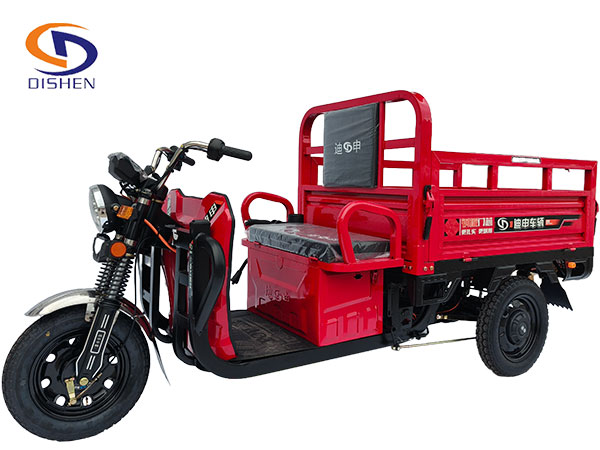
On the coast, ask about protection of connectors and exposed metal against dust and salt air, and how the cargo box drains and is cleaned. In both profiles, confirm the payload figure with the body included, check the 1,500 x 1,100 mm class cargo box against the goods carried, and agree the 72V LiFePO4 and charger combination in writing.
Specification worksheet for Peruvian routes
For Peru, read the final column as the acceptance criteria, not as advice. It describes what should be verifiable on the vehicle and in the crate. If a supplier cannot answer a row without changing the subject, that row is where the risk sits.
| Decision | Starting point to discuss | What to verify before ordering |
|---|---|---|
| Route profile | Coastal city versus highland gradient | Two written route descriptions, answered separately by the supplier |
| Gradient | Sustained climbs on highland routes | Grade, length and load on the regular climb and return descent |
| Air and dust | Dry coastal exposure | Connector protection, frame finish and cargo box cleaning or drainage |
| Payload | 400-900 kg class depending on configuration | Payload including body weight, with the assumed load distribution |
| Cargo box | Around 1,500 x 1,100 mm on published configurations | Internal dimensions and tie-down points for the actual cargo |
| Parts lead time | Slow replenishment away from the main city | Expected wait for a consumable and which items are held locally |
| Battery and charging | 72V LiFePO4 options, depot charging | Charger model, plug type, charging location and window |
| Common parts | Shared consumables across both profiles | Numbered parts list showing what is common to all units |
Five checks before confirming an order for Peru
Walk through these five points with the people who will drive and maintain the vehicles, not only the person who signs the purchase order for Peru. Drivers and buyers almost never notice the same risks, and the expensive ones are usually raised by the driver.
- Provide two route profiles instead of one averaged description of the country.
- State the expected wait for a replacement consumable and size the first-order kit around it.
- Ask which part numbers are common to coastal and highland units before adding a second configuration.
- Confirm payload with the body included and the cargo box dimensions against the real goods.
- Get the charger model and plug type in writing for every charging location.
Packing, shipping and spare-parts plan for Peru
Agree the CBU / SKD / CKD split and the 40HQ packing plan before production, especially if the order will be divided between two regions after arrival. Ask for a packing list organised by destination and by configuration, with model and serial numbers consistent across documents. Where final assembly happens away from the port, confirm which tools, fasteners and inspection steps are included so both regions can commission vehicles the same way.
One mistake worth avoiding. Ordering one configuration to cover both profiles. The coastal fleet then carries an unnecessary specification while the highland fleet lacks the braking, gearing and local spares it needs, and the single shared parts kit fits neither properly.
Where to go next when sourcing for Peru
Treat this page as the set of questions to ask about Peru, not the answers to buy from. A useful reply comes back with a configuration sheet, a packing list and a parts list that match one another. Use the linked guides to check all three before you commit.
Related market guides for Peru
These guides cover neighbouring markets with similar or deliberately different operating conditions. Use them to compare how a change in route, climate or replenishment time alters the specification you should ask for.
- Colombia - mountain descents and full-load braking
- Brazil - long inland legs and slow parts replenishment
- Latin America buying guide
Peru Market Overview
Peru is part of the Latin America commercial transportation market. Electric cargo tricycles can support urban goods movement, agriculture and local distribution, especially when routes are short, repetitive, and cost-sensitive.
Suitable Vehicle Types
- Electric cargo tricycle for goods delivery and retail distribution.
- Courier electric tricycle with lockable enclosed cargo box for parcel delivery.
- Utility electric tricycle for agriculture, facility transport and municipal service.
- Passenger electric tricycle where local regulations allow passenger applications.
Typical Payload and Route Requirements
| Decision item | Guidance for Peru |
|---|---|
| Payload planning | 400-900 kg for mixed road use |
| Route type | Short-distance commercial transportation, delivery routes, local market routes and utility work. |
| Vehicle body | Open cargo bed, enclosed cargo box, removable cargo box, or customized fleet body. |
| OEM planning | Confirm branding, spare parts, battery option, packing method, container loading and documentation. |
Industry Applications
- Logistics and last-mile delivery.
- Agricultural goods collection and village transport.
- Retail, wholesale, market and small business cargo movement.
- Construction support and municipal utility services where compact cargo vehicles are useful.
OEM Purchasing Guidance
Buyers in Peru should compare electric cargo tricycles by lifetime operating cost, range, load capacity, road suitability, spare parts availability, and OEM customization capability rather than only unit price.
For distributors and fleet buyers, a trial order can be used to test route performance, charging workflow, driver acceptance, cargo loading, and maintenance requirements before larger procurement.
Related Market and Buying Resources
FAQ
What electric cargo tricycle type is suitable for Peru?
For Peru, buyers should match cargo body, motor power, range and tire type to urban goods movement, agriculture and local distribution. Heavy-duty cargo and courier models are usually evaluated first.
What payload range should buyers consider in Peru?
A practical starting point is 400-900 kg for mixed road use. Final specification should be based on route distance, road quality, cargo density and charging access.
How should importers source from a China OEM manufacturer?
Importers should confirm model configuration, battery type, loading plan, spare parts, packaging method, branding requirements, and aftersales responsibilities before placing an order.