Electric Cargo Tricycles for Kenya Mixed-Terrain Logistics
Market definition: Kenya logistics buyers may serve dense Nairobi delivery zones, coastal distribution around Mombasa and town or agricultural routes in other counties. Elevation, gradients, route distance and service access can change the correct motor, brake and battery configuration.
Dishen Technology is a China-based OEM manufacturer of electric cargo tricycles for commercial transportation, logistics, agriculture and last-mile delivery. The recommendations below are procurement starting points and must be verified against the buyer's route, payload and local requirements.
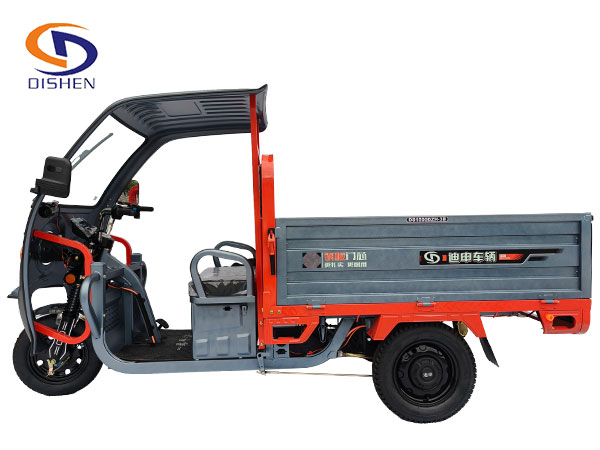
ZS3B with canopy and extended bed — a covered body for produce moving from highland farms to market.
Highland gradients and a Mombasa-to-inland supply chain
Kenyan buyers often run two very different duty cycles in the same fleet. Nairobi and its surrounding delivery zones involve dense traffic, frequent stops and a highland setting with real gradients; coastal distribution around Mombasa is flatter, hotter and more humid; upcountry agricultural routes add unpaved surfaces and long distances between service points. A single configuration chosen from a catalogue rarely serves all three well.
Gradient is the first thing to settle. Nairobi sits at highland elevation and many daily routes involve sustained climbs with a full load, so low-speed torque, controller current limits and brake behaviour on the return descent matter more than nominal top speed. Ask for a full-load gradeability figure and clarify how it was measured. If the fleet will also work around Mombasa, check that the battery's charging temperature window suits a hotter, more humid depot, because the same pack will see different conditions on the coast.
The second question is service coverage. Most imports clear through Mombasa and move inland by road or rail, so time-to-part is a real operating variable for upcountry fleets. A model-matched spares kit with controllers, chargers, brake parts, tyres and lamps should be priced into the first order. Horticultural, tea and retail distribution buyers also tend to split the fleet: enclosed lockable boxes for parcels and high-value goods, open or reinforced beds for bulky agricultural collection.
Kenya: matching the configuration to the route
The point of this table for Kenya buyers is to make the trade-offs visible. A cheaper configuration is only cheaper if the same duty cycle is assumed, so keep the third column in the conversation whenever a price looks unusually good.
Open or reinforced bed, simple repairable structure
Five checks to run before requesting a quotation for Kenya
Before signing off a Kenya order, work through these five points with whoever will actually run and maintain the vehicles. The person who drives the route and the person who signs the purchase order rarely notice the same risks.
State the steepest sustained gradient on the regular route and ask for full-load gradeability, not just motor wattage.
Confirm the rated payload with the chosen cargo body fitted; body weight reduces available cargo weight.
Check the battery charging temperature window against the hottest depot the fleet will use.
Price a model-matched spares kit into the first order, especially for upcountry fleets.
Include an unpaved, fully loaded leg in the pilot test rather than validating only in Nairobi traffic.
Packing, shipping and spare-parts plan for Kenya
Imports normally clear through Mombasa before moving inland. Knocked-down packing, with beds detached and flat-packed, frames nested and wheels shipped separately, reduces freight per unit but moves assembly work to the destination. Confirm the packing list, carton marks and the assembly tooling list before dispatch, and keep a photographed record of the sealed container. For inland destinations, specify moisture protection for the cartons and include replacement fasteners in the first kit.
One mistake worth avoiding. A pilot run entirely on paved Nairobi roads will not reveal frame, tyre or fastener behaviour on upcountry routes, and it will not show how a full load behaves on a long descent. Test both the gradient and the worst surface before placing a container order.
Where to go next when sourcing for Kenya
Treat the numbers here as the questions to ask, not the answers to buy. A serious supplier responding to a Kenya enquiry will come back with a configuration sheet, a packing list and a parts list that match each other. Use the guides below to check all three.
Corrosion-aware finishing, rain protection, sealed electrical connections and cargo ventilation.
Highland and sloped routes
Loaded gradeability, regenerative or mechanical braking strategy, stable cargo balance and thermal checks.
Farm-to-market movement
Open cargo bed, durable suspension, practical ground clearance and locally stocked wear parts.
Road, Weather and Operating Conditions
Local operating factor
Procurement response
Elevation and gradients
Test loaded climbing and controlled descending; motor wattage alone does not prove gradeability.
Coastal humidity
Protect metal surfaces, connectors, controller housing and cargo-box hinges from water and corrosion.
Urban congestion
Check turning space, driver visibility, brake response and energy use during repeated starts.
Unpaved access roads
Inspect frame, suspension, fasteners and tire load rating after a route pilot.
Recommended Specification Starting Points
Decision item
Evaluation range or option
Why it matters
Payload planning
400-900 kg starting range
Separate city parcel weight from farm or wholesale cargo requirements.
Motor evaluation
2-3 kW with gradeability check
Confirm gearing, controller current and loaded hill performance.
Braking
Front and rear system matched to route
Descending control and wet-road performance should be part of the pilot.
Weather protection
Canopy or enclosed cargo box as required
Protect driver, parcels and electrical components during rainy periods.
Service package
Route-critical mechanical and electrical spares
Plan supply for brakes, suspension, charger, controller and wiring.
These are evaluation ranges, not universal specifications or performance guarantees. Final motor, battery, payload and range must be confirmed through model-specific engineering and route testing.
Charging and Fleet Planning
For a delivery fleet, map vehicles to fixed depots and record the available charging window between shifts. Confirm electrical installation, protection and charger use with a qualified local professional. For routes with elevation changes, collect actual energy data in both directions before deciding battery capacity.
Port, Import and Inland Delivery Planning
The Port of Mombasa is a major entry point for Kenyan cargo, but the correct terminal, customs process and inland movement depend on the shipment. Buyers should confirm packing, battery documentation, duty classification and vehicle requirements with the Kenya Ports Authority, a licensed broker and the responsible transport agencies.
Importer Execution Checklist
Measure the steepest loaded section of the intended route.
Test wet braking, hill starts and controlled descents during the pilot.
Specify coastal corrosion protection when vehicles will work near Mombasa.
Confirm depot power, charging schedule and technician responsibility.
Agree on spare-parts quantities and replenishment lead times.
What matters most for an electric cargo tricycle in Kenya?
Route gradient, payload, braking, charging access and service parts matter more than one headline specification. A Nairobi courier route and a rural agricultural route should not use the same assumptions.
How should buyers evaluate hill performance?
Ask for loaded gradeability information, gearing and controller details, then test the actual route. Controlled descent and brake performance are as important as climbing.
Is an enclosed box necessary in Kenya?
It is useful for parcels, food and weather-sensitive cargo. Open cargo beds can be more efficient for agricultural or wholesale goods where rapid loading is the priority.
What import documents should be checked?
Confirm commercial documents, packing list, battery documents, vehicle specification, country-of-origin records and any current conformity or registration requirements with local professionals.
Official Sources for Current Verification
Import, electricity and road-use requirements can change. Buyers should verify current rules with local professionals and the official organizations below.